

What Safety Measures Are Common in Assisted Living?
Most assisted living communities are designed with multiple layers of physical safety and health supports for residents. Key features address risks such as falls, emergencies, and cognitive conditions. Well-planned facilities combine building design, technology, and staff practices to protect residents while maintaining dignity.
Core safety features often include:
- Secure entry systems to monitor visitors and prevent unauthorized access
- Emergency response call buttons or pendants in private rooms and bathrooms
- Grab bars, non-slip flooring, and handrails in common areas and hallways
- Fire detection and suppression systems (sprinklers, smoke alarms)
- Clearly marked, unobstructed exits and evacuation plans
- Regular safety drills
How Are Fall Risks Managed in Latrobe’s Assisted Living?
Reducing the risk of falls is a top concern, as falls can lead to serious injury, especially for older adults. Most communities design living spaces with this in mind, considering both accessibility and the layout required for residents’ mobility aids.
Practical fall prevention strategies commonly seen include:
- Wide, well-lit hallways and entryways without clutter
- Level flooring and ramps instead of steps, especially important during icy winter months
- Bathroom supports like raised toilet seats and easily accessible showers
- Flooring with slip-resistant materials in areas prone to moisture
Area weather, especially in colder seasons, is a special consideration. It’s common for local staff to pay close attention to changing surface conditions at entrances and outdoor areas, using mats and de-icing treatments as needed.
What Role Does Staff Training Play in Safety?
A knowledgeable staff is essential for maintaining safety and responding to unexpected health issues. Assisted living workers are typically trained in emergency procedures, first aid, and recognizing signs of health changes. Many are also trained specifically in assisting residents with memory loss or mobility challenges, as these individuals are at higher risk for emergencies.
Families and residents can expect:
- Staff present 24/7 to respond to calls for help
- Training updates, especially in recognizing confusion, wandering, or fall risk signs
- Communication with local emergency services for rapid response when needed
Are Medications Safely Managed?
Proper medication management not only ensures positive health outcomes but also prevents errors that could threaten residents’ safety. Regulatory standards require that medications are stored securely and dispensed according to physician instructions.
Medication safety protocols usually include:
- Secure, locked storage areas restricted to authorized staff
- Documented medication schedules and double-check systems
- Support for residents to maintain independence when possible, with prompt staff assistance if doses are missed or errors are suspected
Families sometimes assume residents can self-administer all medications without oversight. In reality, periodic staff review is a safeguard against missed prescriptions, double dosing, or negative drug interactions.
How Do Assisted Living Communities Prevent Wandering?
For individuals with dementia or memory impairments, secure environments are critical. Communities implement design and technology solutions to ensure residents cannot accidentally leave the premises without supervision.
Typical features include:
- Secured, coded entries and exits
- Monitoring systems or alarms for certain doors
- Fenced outdoor courtyards instead of open grounds, allowing safe time outdoors
- Individualized safety plans for those at highest risk
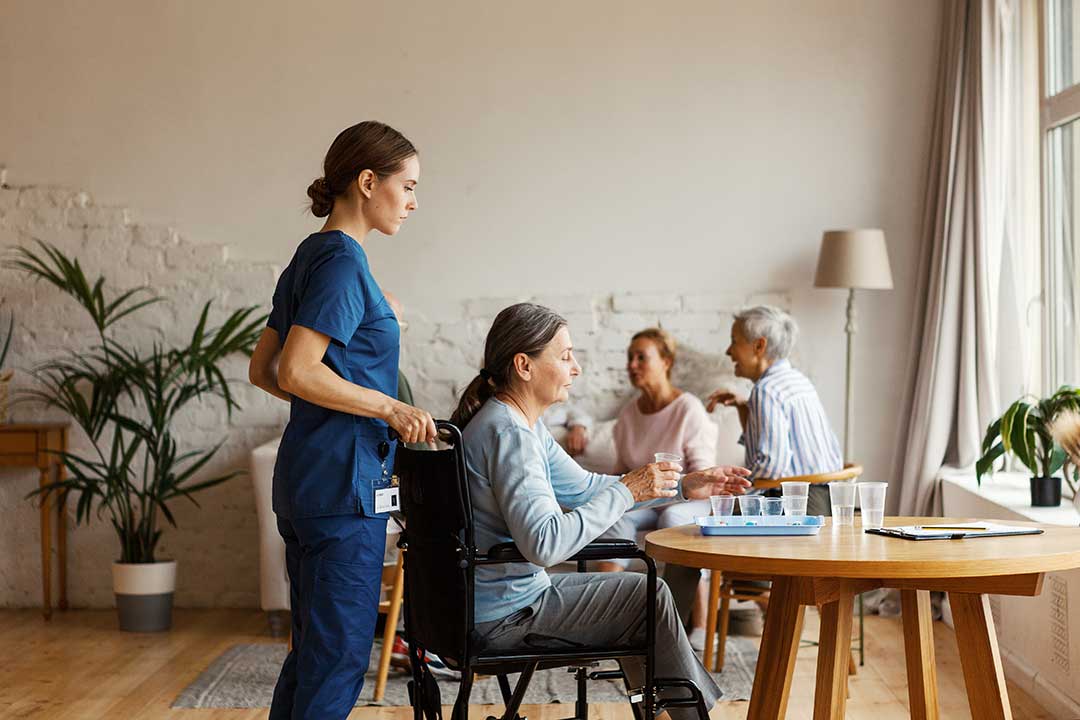
A common misconception is that locked exterior doors are restrictive; many facilities balance this with safe indoor walking paths and gardens, promoting both safety and autonomy.
What Emergency Systems Are Available?
Responding quickly to a fire, medical emergency, or severe weather event is a standard part of assisted living operations. Buildings are required to meet fire safety codes and practice evacuation.
Examples of typical emergency-ready measures:
- Building-wide smoke and carbon monoxide detectors
- Clearly posted evacuation routes and accessible exits
- Routine fire and disaster drills for residents and staff
- Backup power sources to maintain lighting and essential systems during outages
In winter, local assisted living communities pay close attention to snow and ice accumulation that could block exits or delay emergency response.
How Are Visitors and Access Regulated?
Security is not only about physical barriers; it’s also about carefully managing who enters the living environment. Visitor management policies help foster a welcoming environment without sacrificing resident protection.
Common protocols include:
- Sign-in and sign-out processes for all guests
- Visitor identification requirements during non-peak hours
- Surveillance cameras at main entrances and shared spaces
- Screening for illness during cold and flu season
Residents can feel confident socializing with friends and family while knowing that access points are observed and managed.
What Should Local Residents Ask About When Touring a Community?
Prospective residents or families often benefit from asking about concrete safety measures rather than just relying on general assurances. Questions might include:
- Are emergency call buttons easy to reach from a bed or bathroom?
- How does staff help residents during bad weather or power outages?
- What specific plans exist for evacuating residents with limited mobility?
- How is medication managed, and who monitors for missed or incorrect doses?
- Are there practices for reporting and addressing incidents or near-misses?
Connecting these questions to local concerns—such as seasonally icy sidewalks, regular fire drills, or personalized security for those with memory loss—helps clarify what distinguishes the safest environments in the area.
