Assisted living technology is designed to support daily care, safety, communication, and independence. In Latrobe, PA, residents and families may encounter technology ranging from emergency response systems and electronic medication reminders to video calls, electronic care records, and tools that help staff notice changes in a resident’s health.
Technology does not replace personal care. Its value depends on how thoughtfully it is selected, explained, maintained, and combined with regular human attention.
What types of technology are used in assisted living?
Assisted living communities commonly use technology in several areas:
- Safety and emergency response: Call buttons, wearable alert devices, motion sensors, fall-detection tools, and emergency communication systems can help residents request assistance.
- Medication support: Electronic medication records, reminder systems, and controlled dispensing devices can help staff track scheduled medications and document whether doses were given.
- Health monitoring: Digital blood pressure monitors, weight scales, oxygen sensors, and other devices may help identify changes that need follow-up.
- Communication: Tablets, phones, secure messaging systems, and video calls can help residents stay in touch with family members and care staff.
- Operations and documentation: Electronic care plans and records allow authorized staff to document services, appointments, meals, incidents, and changes in condition.
- Building access and environmental controls: Keyless entry, door alarms, temperature controls, and lighting systems may improve security and comfort.
The specific tools vary by community, resident needs, building design, and the level of care provided.
How can technology improve resident safety?
Technology can provide another layer of protection, especially when a resident is alone in a room or needs help between regular staff rounds. A pendant or wall-mounted call button may allow a resident to request assistance after feeling weak, experiencing pain, or needing help transferring from a bed or chair.
Motion sensors can notify staff when a resident leaves a room at an unusual time or enters an area that may present a safety concern. Some systems can detect a possible fall, although no automated device identifies every fall accurately. A device may fail to recognize a slow slide to the floor, be removed by the resident, or produce a false alert.
For that reason, technology should not be treated as a substitute for supervision. Residents and families should ask how alerts are reviewed, how quickly staff are expected to respond, and what happens if a device loses power or connection.
Does technology help residents remain independent?
It can, particularly when it supports a task without taking control away from the resident. For example, a large-button telephone, voice-controlled device, digital calendar, or reminder system may help someone manage communication and routines more independently.
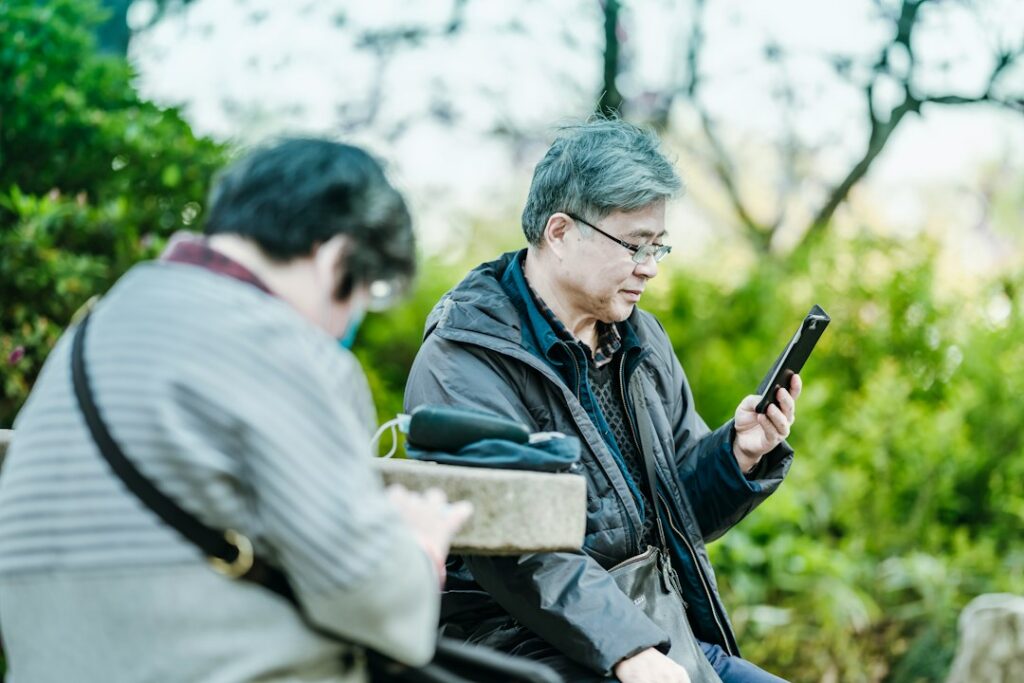
Technology can also make familiar activities easier. A resident may use a tablet to read, listen to music, view family photos, participate in a virtual religious service, or attend an online appointment. These uses can support choice and reduce isolation.
Independence does not mean that a resident must use every available device. The right approach is usually the least complicated tool that solves a real problem. A system that is confusing, noisy, or difficult to wear may create frustration rather than freedom.
How does technology support medication management?
Medication technology mainly improves organization and documentation. Electronic records can show the medication name, dose, scheduled time, and administration history. Reminder systems may alert staff when a dose is due, while controlled dispensing equipment can limit access to medications that must be taken carefully.
These systems can reduce some common mistakes, such as missed documentation or uncertainty about whether a medication was given. They do not eliminate the need for trained staff to verify the medication, observe for side effects, and communicate with the resident and prescribing clinician when concerns arise.
Families may reasonably ask whether medication records are reviewed when a resident’s condition changes and how information is shared with authorized family members.
Can technology help identify health changes?
Digital monitoring may help staff notice patterns that are not obvious during a single conversation. A gradual change in weight, blood pressure, sleep, appetite, movement, or bathroom habits can sometimes signal that a resident needs additional assessment.
The meaning of a measurement depends on the person’s usual condition. One unusual reading does not always indicate an emergency, while a series of small changes may deserve attention. Staff still need to consider symptoms, personal history, hydration, recent illness, and other circumstances.
Residents and families should also understand who reviews the information. A device is useful only if alerts reach someone who knows what to do next and can document the response.
What privacy concerns should families consider?
Assisted living technology may collect personal information about health, location, movement, communication, or daily routines. Privacy questions should be addressed before a device is used, especially when cameras, room sensors, recording features, or location tracking are involved.
Residents and families may want clear answers to these questions:
- What information does the device collect?
- Who can view or receive the information?
- Is information recorded, or is it reviewed only during an alert?
- How long is information kept?
- Can the resident refuse or discontinue a device?
- How are shared devices cleaned and protected?
- What happens if a family member wants access to records?

Privacy preferences can change as a resident’s health or comfort level changes. A person who accepts a fall alert may not want a camera in the room. Consent, dignity, and the resident’s ability to make choices should remain part of the discussion.
What happens during a power or internet outage?
Technology should have a backup plan. In a region where winter weather can affect travel, utilities, and communication, families may want to ask how essential systems operate during a power failure, severe storm, or network interruption.
Important questions include whether emergency call systems have battery backup, how long that backup lasts, how staff are notified if a device stops working, and whether manual checks are used when electronic monitoring is unavailable.
A dependable emergency plan should not rely on a single device. Staff procedures, posted emergency information, backup communication methods, and routine wellness checks remain necessary.
Is technology difficult for older adults to use?
Some technology is difficult because of small text, complicated menus, hearing limitations, vision changes, memory loss, or unfamiliar terminology. Other tools are designed specifically for simplicity, with large buttons, clear displays, adjustable volume, and limited functions.
Training should be practical and repeated when needed. A resident may understand a device during a demonstration but forget how to use it later. Written instructions with pictures, labels placed near controls, and regular practice can help.
Families should also consider whether the technology fits the resident’s habits. A person who has never used a smartphone may be more comfortable with a simple call button and a traditional telephone than with a multi-purpose application.
What should residents and families ask before accepting new technology?
Before a device or monitoring system is introduced, residents and families should understand its purpose and limits. Useful questions include:
- What specific problem is this technology intended to address?
- What does it detect, and what can it miss?
- Who receives alerts and what is the expected response?
- What happens if the device is lost, removed, damaged, or out of battery?
- Is training provided for the resident and family?
- Does the resident have a choice about using it?
- How is personal information protected?
- Will the technology affect the resident’s privacy, routine, or ability to make decisions?
The most useful technology is usually quiet, understandable, and connected to a clear care practice. In assisted living, devices work best when they support attentive staff, informed families, and the resident’s own preferences rather than becoming the center of care.